
Local Guide

About Exmoor

Exmoor was a Royal Forest and hunting ground, sold off by the crown in 1818. It was designated a National Park in 1954, and is named after the main river that flows out of the district, the River Exe. It offers visitors and residents some of the finest walking and riding in the country.

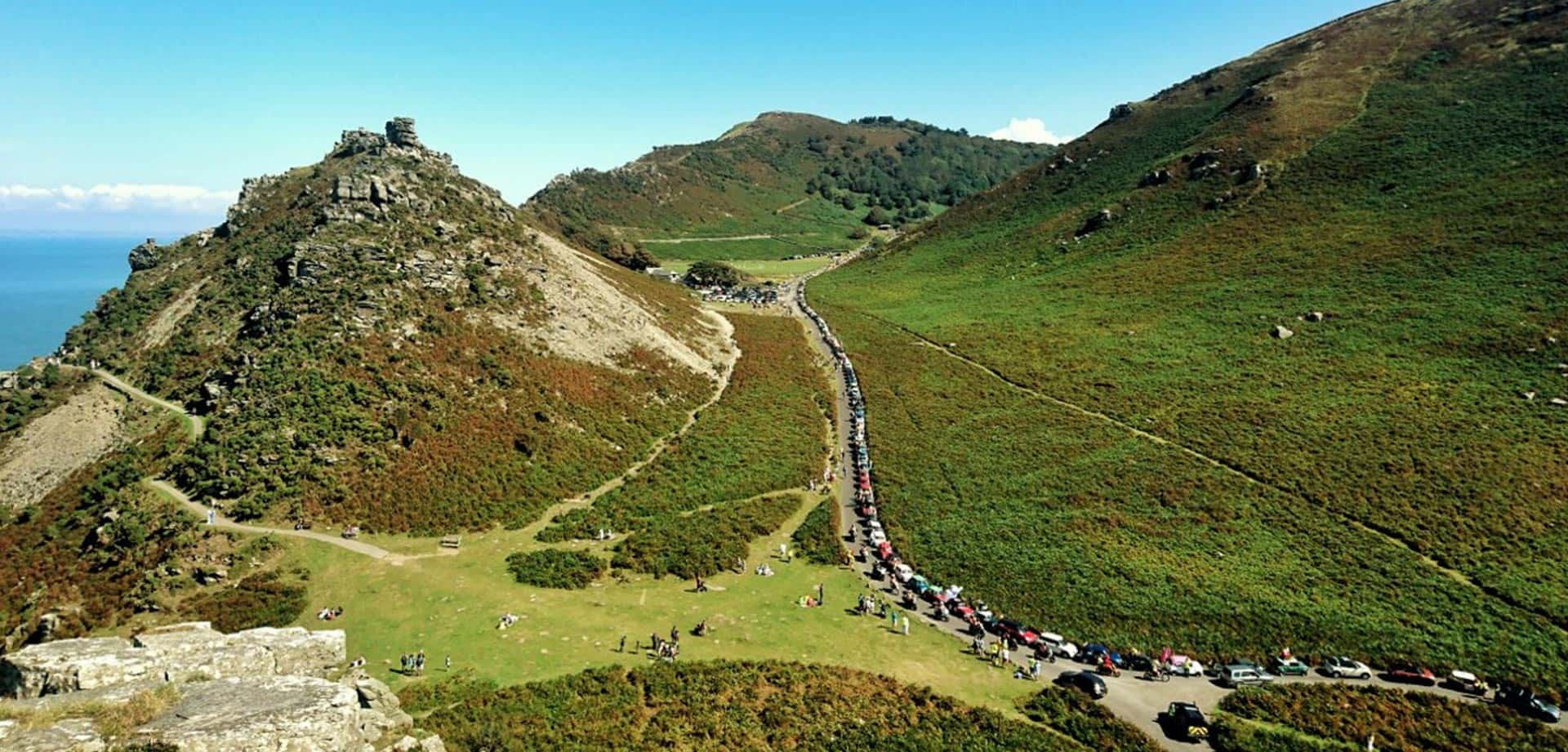
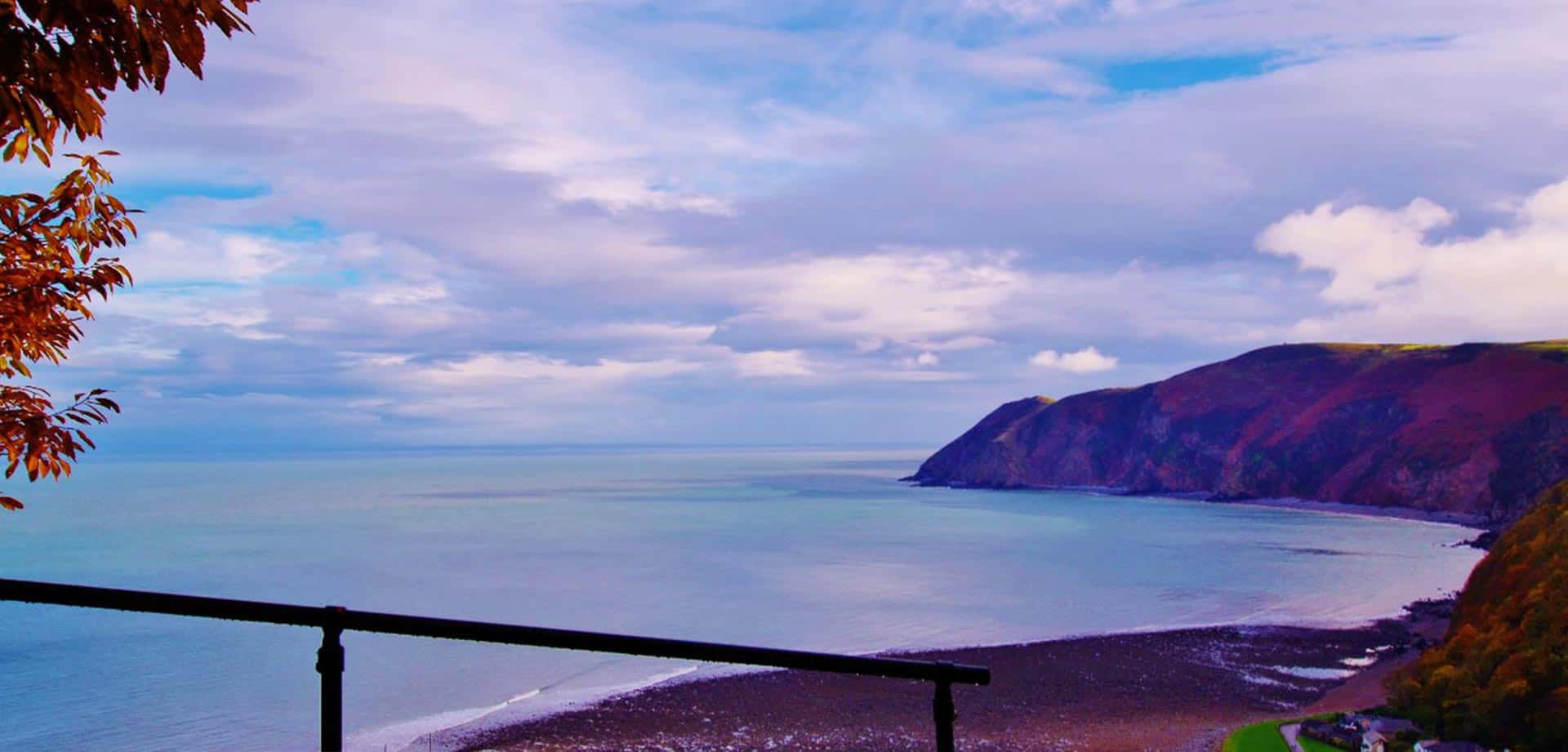
Situated on the Bristol Channel coast of South West England, Exmoor straddles Somerset and Devon. It is an upland area of beautiful rolling moors and grassland, which meet dramatic cliffs at the sea. Exmoor’s 34 miles of stunning coastline include the highest sea cliffs in England. The scenery of rocky headlands, ravines, waterfalls and towering cliffs gained the Exmoor coast recognition as a Heritage Coast in 1991. With its huge waterfalls and caves, this dramatic coastline has become an adventure playground for walking, climbing, riding and exploring.

Its population live mainly in small villages and hamlets. The largest settlements are Porlock, Dulverton and Lynton & Lynmouth, which together contain almost 40% of the scattered and modest population.

Transport Links

By Car.
Exmoor can be reached via. M5, leaving at Junctions 25, 26 and 27, depending on which part of Exmoor you are visiting and which route you wish to take. 

By Rail.
Nearest stations include Taunton and Tiverton Parkway to the East of Exmoor, and Barnstaple to the West. Great Western services from London Paddington reach Taunton in as little as 1 hour and 50 minutes, with buses and taxis available from there. Barnstaple is reached via the famous Tarka Line from Exeter, recognised as one of the most beautiful stretches of railway in England.

Map of Exmoor

Please click the logo below to see a map of Exmoor National Park.